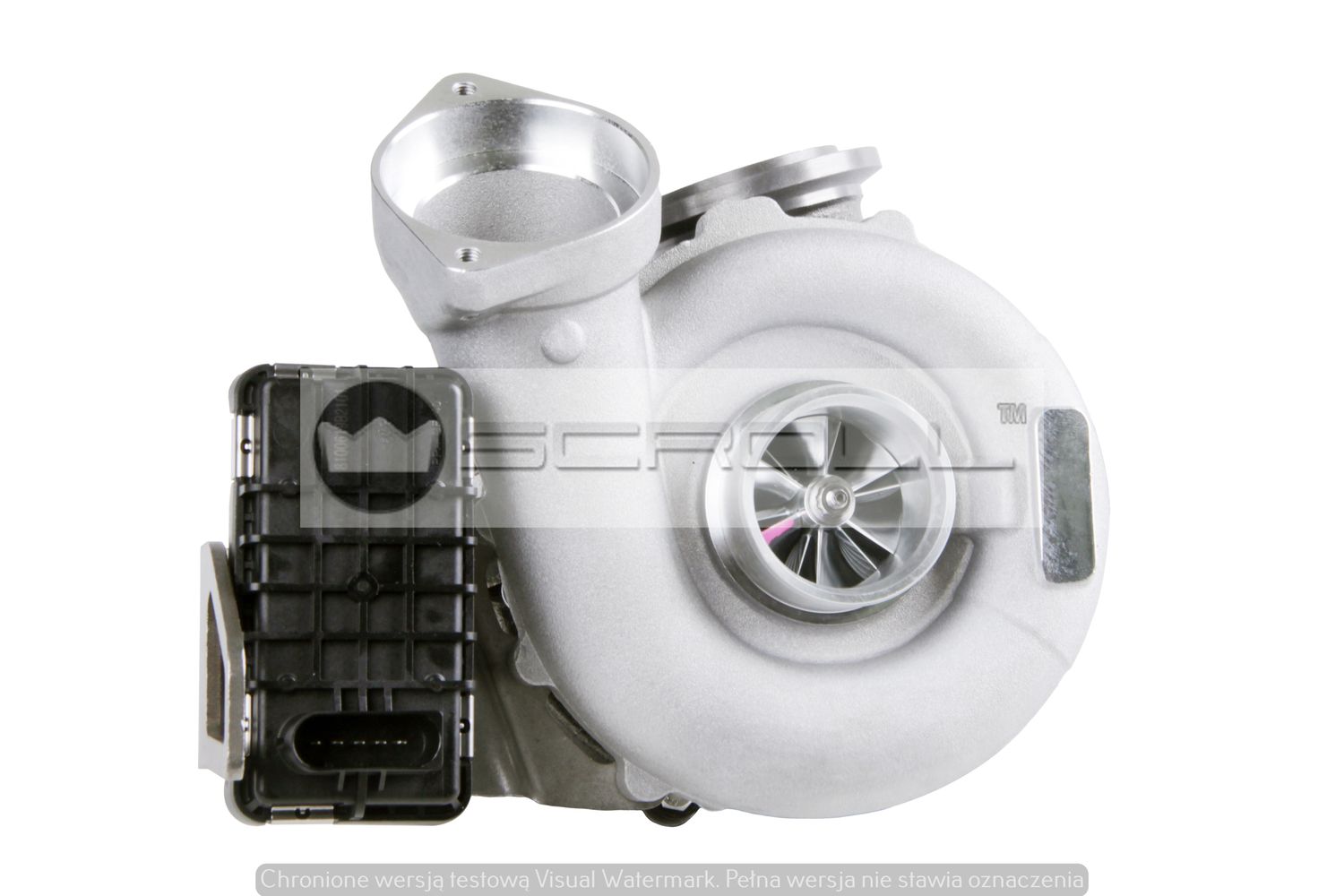
New Turbo Bmw X5 X6 GTB2260V 3.0D M57 765985-5010S 765985-0003 765985-0010 765985-3 765985-10
€365.85
Free shipping within the EU
In stock
New Turbo Bmw X5 X6 GTB2260V 3.0D M57 765985-5010S 765985-0003 765985-0010 765985-3 765985-10
Product Details
New Replacement turbocharger GTB2260V for Bmw X5 X6 3.0d M57 TU2 170kW/235HP
765985-5010S, 765985-0003, 765985-0010, 765985-3, 765985-10
765985 765985-0001 765985-0003 765985-0005 765985-0006 765985-0008 7659850010 7659851 76598510 7659853 7659855 765985-5001s 765985-5003s 765985-5005s 765985-5006s 765985-5008s 765985-5010s 7659856 7659858 7796313 11657796313 7796314
Nr OEM:11657796313G07
GTB2260V Turbocharger for BMW X5/X6 3.0d M57 TU2 – Common Causes of Failure
The GTB2260V turbocharger, used in BMW X5 and X6 3.0d M57 TU2 engines (170 kW / 235 HP), is a reliable performance component designed for high efficiency and durability. However, like all turbochargers, it can fail if subjected to improper care, driving habits, or mechanical issues. Understanding the common causes of failure helps prevent costly repairs and maintain engine performance.
1. Oil Supply Problems
Turbochargers rely on clean, consistent oil flow for lubrication and cooling. Insufficient oil pressure, blockages in the oil feed, or prolonged use of degraded oil can lead to bearing wear and overheating, ultimately causing turbo failure. Regular oil changes with BMW-approved oils are critical.
2. Contaminated Oil
Particles, sludge, or debris in the engine oil can damage the turbocharger’s bearings and turbine wheel. Always replace oil and oil filters on schedule and ensure the engine is free from contaminants.
3. Overheating
Excessive exhaust gas temperatures, often caused by aggressive driving, prolonged high-load operation, or a clogged exhaust system, can damage the turbine and housing. Allowing the engine to idle briefly after heavy driving helps cool the turbo and prolongs its lifespan.
4. Foreign Object Ingestion
Debris entering the intake system can severely damage the compressor wheel. Regularly check and replace the air filter and inspect the intercooler system to prevent foreign objects from reaching the turbo.
5. Boost Control Malfunctions
The GTB2260V uses a variable vane system controlled by actuators. Failure of the actuator, vacuum lines, or electronic control units can lead to overboost or underboost conditions, stressing internal turbo components and potentially causing failure.
6. Clogged DPF (Diesel Particulate Filter)
A blocked or clogged DPF can cause excessive exhaust backpressure, which increases stress on the turbocharger. This can lead to overheating, reduced efficiency, and accelerated wear of the turbine and bearings. Regular DPF maintenance and timely regeneration cycles are essential to prevent turbo damage.
7. Wear and Tear
High mileage or aggressive driving can naturally degrade the turbocharger’s internal components. Bearings, seals, and turbine blades wear over time, reducing performance and increasing the risk of failure.
Maintenance Tips
- Use high-quality, OEM-approved engine oil and change it regularly.
- Replace oil and air filters according to the manufacturer’s schedule.
- Keep the DPF clean and ensure regular regeneration cycles.
- Allow the engine to cool after high-load driving before shutting it off.
- Inspect turbo actuators, vacuum lines, and the intake system periodically.
Conclusion
The GTB2260V turbocharger is a robust component, but neglecting maintenance, oil quality, DPF condition, or proper driving habits can lead to premature failure. Understanding these common causes allows BMW X5/X6 owners to take proactive measures to ensure turbo longevity and reliable engine performance.
Display prices in:EUR